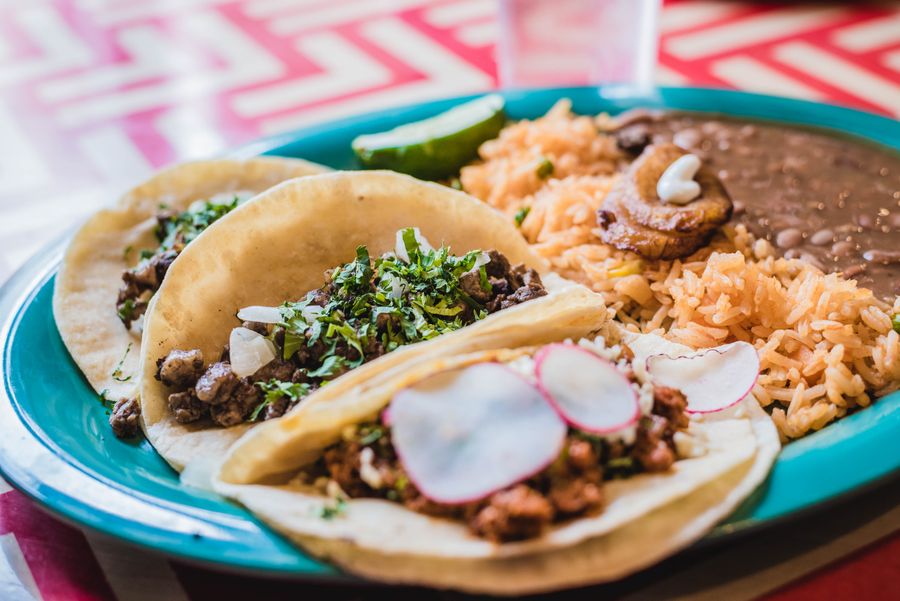
Why Most Homemade Tortillas Fail
Ask anyone who has tried making tortillas at home and they will tell you the same thing — they come out stiff, cracker-like, or weirdly thick. The result is disappointing: a wrap that cracks when you fold it, loses all its filling, and tastes more like cardboard than the soft, pillowy rounds you get at your favourite taqueria. After testing over 20 different combinations in our West Orange kitchen, we finally cracked the code.
The good news: making perfect tortillas at home is entirely achievable. The bad news: most recipes online skip or misrepresent the three steps that actually matter. In this guide, we walk through everything — from the exact flour type to the pan temperature — so you get consistent, perfect results every time you make them.
The Three Non-Negotiables
There are only three ingredients in a flour tortilla — flour, fat, and water. But the type and ratio of each one makes all the difference between a pliable, flavourful tortilla and a dry, brittle disc.
- Flour: Use all-purpose with a medium protein level (10–12%). Bread flour makes them tough; cake flour makes them fall apart. Standard supermarket all-purpose flour is ideal.
- Fat: Lard is traditional and produces the best flavour and flakiness. If you prefer, a neutral vegetable shortening is the next best option. Butter works but creates a slightly different, less authentic texture.
- Water: It must be hot — near boiling. Hot water partially cooks the starch in the flour, which is exactly what gives tortillas their soft, pliable texture. Cold water produces stiff, cracker-like results.
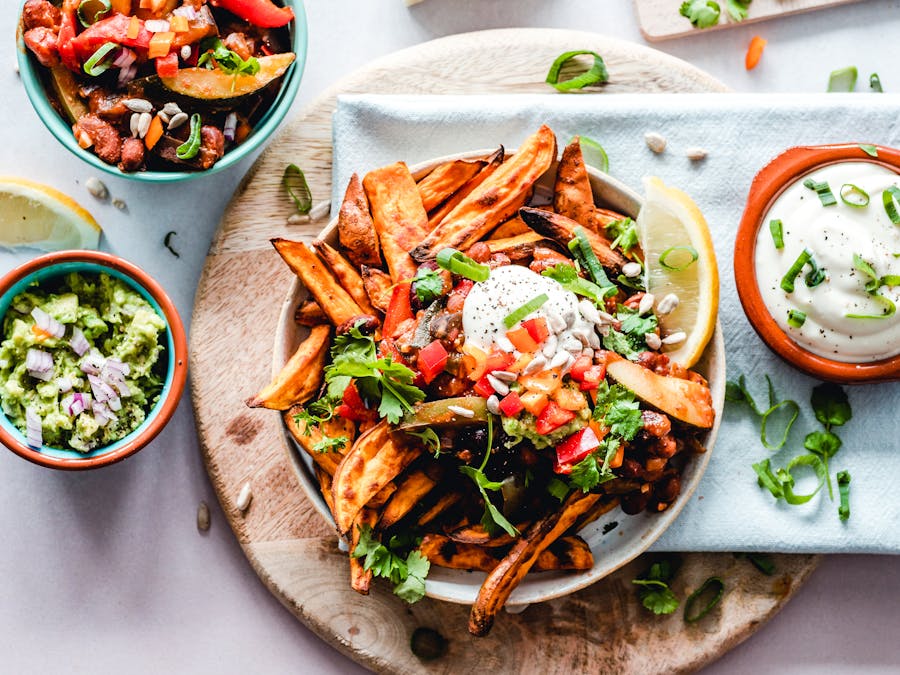
The Resting Step Nobody Skips Twice
After mixing the dough, you must let it rest for at least 30 minutes covered with a damp cloth. This step relaxes the gluten in the flour, making the dough easy to roll thin without it springing back. Skip this and your tortillas will be thick and chewy no matter how hard you roll. The gluten simply has not had enough time to relax, so it resists being stretched and snaps back the moment you ease pressure on the rolling pin.
During resting, keep the dough covered at room temperature — not in the fridge. Cold slows the gluten relaxation process significantly. Once rested, divide the dough into equal balls (roughly golf-ball sized for standard tortillas) and rest them for another 5 minutes before rolling. This second rest makes rolling dramatically easier.
To roll: use a smooth rolling pin on an unfloured surface. Lightly oiling the surface rather than flouring it produces a smoother result. Roll from the centre outward, rotating the dough a quarter turn after each roll. Aim for roughly 2–3mm thickness — thin enough to be pliable, thick enough not to tear.
The Perfect Puff
Cook your tortillas in a dry cast iron pan or comal on high heat. The tortilla should puff up in the middle within the first 30 to 45 seconds — this puff is steam separating the layers, and it means you have done everything right. Do not press it down. Let the heat do its work. Give each side about 45 seconds, watching for light brown spots to appear.
Stack the finished tortillas in a clean kitchen towel immediately after cooking. The steam they produce will keep them soft and pliable as they cool. This stacking step is critical — tortillas left out uncovered will dry and stiffen within minutes. Kept wrapped in a towel, they stay soft for up to an hour at room temperature, or can be reheated wrapped in a damp cloth in the microwave for 20 seconds.
Common Mistakes and How to Fix Them
- Tortilla cracks when folded: Your fat ratio is too low, or the water was not hot enough. Increase fat by 10% and make sure the water is near-boiling before adding.
- Tortilla puffs unevenly or not at all: Pan is not hot enough, or the tortilla was rolled unevenly. Use high heat and check thickness consistency before cooking.
- Dough springs back while rolling: Gluten hasn't relaxed enough. Rest for another 10 minutes and try again.
- Tough, chewy texture: Overworked dough. Mix only until ingredients combine — stop the moment a smooth dough forms.
Storing and Using Your Tortillas
Freshly made tortillas are best used immediately, but they keep well for several days. Store cooled tortillas in an airtight container or zip-lock bag at room temperature for up to 2 days, or in the refrigerator for up to 5 days. To freeze, place squares of parchment paper between each tortilla before sealing in a freezer bag — they keep for up to 3 months and defrost at room temperature in about 15 minutes.
Now you are ready to wrap — with the perfect foundation for any recipe on this site.